What Is NFPA 96 Compliance for Restaurant Kitchen Hoods?

Meeting fire safety codes means scheduling certified kitchen exhaust cleaning down to bare metal on the required cycle. Grease left in horizontal ducts or around the blower wheel can lead to an immediate stop-work order from your fire marshal. A flash fire can also void your insurance coverage.
Your inspection and cleaning schedule depends on what you cook with and how much you cook. Solid-fuel kitchens need monthly attention, while moderate griddle lines can run on quarterly visits. Knowing what inspectors check helps you avoid costly shutdowns and keep the line open.
What's Inside This Guide
The Cost of Overlooking Kitchen Duct Standards
Grease vapors condense as soon as they pass your hood filters. Without scraping and washing, that grease coats duct walls and pools in low spots before dripping onto prep counters. Over an open food line, those drips create cross-contamination risks that can trigger immediate violations during a health department visit.

Heavy grease on a commercial exhaust fan
Fans draw more power as grease cakes onto bearings and motor housings. Dirty or overloaded exhaust fan motors pose an electrical fire risk. Heavy buildup also blocks airflow, trapping heat on the cookline and making cooking appliances run unevenly.
Practical check: Clean hood baffles don't prove the system is clean: over 90 percent of restaurant grease fires start inside inaccessible vertical ducts and roof curb fans.
Across Virginia, including Alexandria, Richmond, and Norfolk, fire marshals enforce the Virginia Statewide Fire Prevention Code, which directly references NFPA standards. Missed cleanings also shorten blower life. That can leave you paying for early replacement of commercial exhaust fans and welded ductwork.
Determining Your Mandatory Inspection and Wash Cycles
NFPA 96 ties your cleaning schedule to cooking type and operating hours. The National Fire Protection Association sets out these requirements in its kitchen ventilation standard. A busy fryer line or heavy-use charbroiler needs much more attention than a banquet kitchen that opens only seasonally.
Choosing the Right Frequency Schedule
Choose a licensed service schedule that meets both your local fire marshal's requirements and your property insurer's rules. Long gaps between visits leave grease behind, putting the kitchen at risk and opening the door to citations.
Cooking Type | Recommended Starting Point | What to Watch |
Solid fuel (wood, charcoal mesquite) | Monthly inspection and wash | Fast buildup of creosote, a combustible residue, along vertical duct bends |
High-volume 24-hour diners, woks, charbroilers | Quarterly full-system scraping | Heavy grease pooling near the roof fan bowl |
Moderate-volume grills, ovens, fryers | Washing every six months | Vapor buildup behind removable baffle filters |
Low-volume churches, seasonal snack bars | Annual certified inspection | Grease that oxidizes and hardens during the off-season |
Smoke around the kitchen exhaust during the lunch rush almost always points to clogged ducts and restricted airflow. Our guide to clearing ducts in a smoky commercial kitchen covers practical checks and explains how those airflow restrictions develop.
Selecting Hood and Duct Access Points for True Metal Clearance
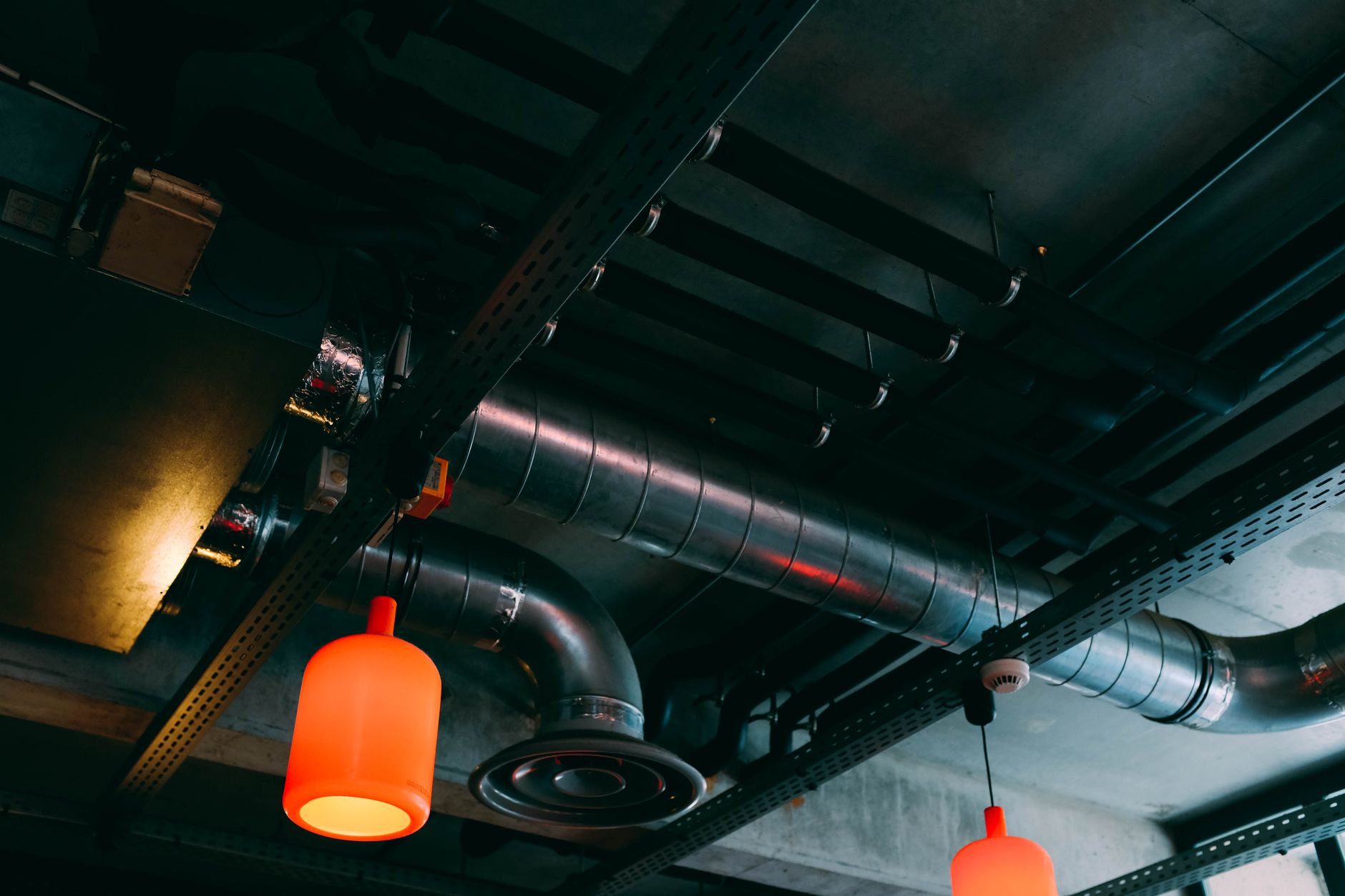
Crews cannot wash duct surfaces they cannot reach. NFPA 96 requires accessible cleanout doors every twelve feet along horizontal runs and at every turn. Where ducts pass through drop ceilings without compliant access panels, grease can stay trapped for years.
Before you hire an exhaust cleaning crew, check that they document every access point. Shining a light up the hood canopy isn't enough. Skipping hard-to-reach crawlspaces leaves grease that can fuel a fire inside ceiling cavities.
Kitchen Duct Configuration | Recommended Choice | Avoid |
Single-story straight vertical duct | Standard roof fan hinge with lower cleanout | Unbolted fan bases without safety restraining cables |
Multi-story horizontal ceiling runs | NFPA-approved access panels every 12 feet | Unlisted sheet metal covers attached with sheet screws |
Ducts enclosed in drywall shafts | Rated fire-door access panels at every 90-degree elbow | Washing ducts without visually checking the inside |
Installer's rule: Cleanout doors must be liquid-tight and rated for the duct construction. They also need enough room for the tools used to scrape every surface.
Suspect missing panels or openings too small to work through? Get a hood cleaning quote before an inspector flags duct sections that cannot be serviced during your annual renewal.
Coordinating Fans, Make-Up Air, and Rooftop Grease Containment
The hood over your stove works with the rest of your ventilation system. Its exhaust blower pulls hot grease upward, while the make-up air unit supplies replacement air. Grease-heavy blowers lose the pressure needed to move air, slowing airflow across prep lines.

How the hood filters, ducts, and rooftop blower fit together
Outside, grease spilling from the fan housing can quickly damage the roof membrane, the roof's waterproof layer. Rooftop containment boxes must catch combustible fats while allowing rainwater to drain. That helps prevent roof rot and citations for contaminated runoff.
Starting Point | Pairing Direction | What to Sample or Test | Intended Effect |
Upblast centrifugal roof fan, which discharges air upward | Heavy-duty hinge kit and flexible electrical cable | Hinge pin clearance and cable tension when tilted | Protects wiring and gives full access to the fan blades |
Hood baffle filters | UL 1046 listed stainless steel baffles | Snug fit in the channel tracks without gaps | Removes up to 40 percent of airborne grease before it enters the duct |
Rooftop grease collection port | Water-repelling containment box with absorbent catch pillows | Drain flow after heavy rain | Catches grease and drains rainwater to protect the roof membrane |
Poor air balance can also cause laundry and heating or cooling problems in mixed-use commercial buildings. For hospitality spaces that share a building with food service, our guide to blocked dryer vents and slow drying explains how building air pressure affects performance.
The Four Steps to Passing Your Next Local Fire Inspection
Fire inspectors need records they can check, not just a hood that looks clean. A reputable commercial hood cleaning company follows a set process to meet local fire marshal requirements:
Video: Real Hood Cleaning Done Right | NFPA 96 Standards in Action (Iron & Light Coaching And Courses)
Protect equipment and contain runoff: Wrap food equipment and stainless surfaces in heavy plastic sheeting to catch wash water and keep it away from prep areas.
Degrease with heat and pressure: Apply heated chemical degreasers to vertical runs, then use hot-water pressure equipment to clean ductwork down to bare steel.
Clean the fan wheel and housing: Open the upblast fan and scrub each blade. Clear the grease pans and check that drive belts have the correct tension.
Add the inspection tag and photo log: Attach a state-compliant service certificate showing the cleaning date and technician registration, along with the next scheduled service date.
Before you sign: Check the roof fan hub and upper horizontal elbow yourself. Reliable technicians provide date-stamped internal photos showing bare metal before they pack up.
Keep your last three cleaning logs on site at all times so you have the records ready for an unannounced city inspection.
Allocating Commercial Exhaust Maintenance Budgets
Duct length and height affect your cleaning cost, as does the number of cleanout openings. A cheaper estimate may cover only surfaces visible from the floor. That leaves hazardous grease inside vertical ducts you cannot see from the kitchen.
Budget Level | What to Prioritise | What to Question |
Baseline ($) | Routine chemical degreasing of straight canopy hoods and grease baffles | Low flat-rate quotes from crews that haven't inspected the rooftop fan |
Standard ($$) | Bare-metal washing of the hood, vertical duct, and hinged fan assembly | Agreements that leave out photo reports or access door gasket replacements |
Comprehensive ($$$) | Full duct wash, certified roof containment replacement, added access panels, fan lubrication | Extra charges for standard NFPA compliance inspection tags |
Reliable hood cleaning can save substantial money over time by keeping grease from wearing out expensive fan motors. It also protects against major liability claims. We cover other commercial property maintenance concerns on our ventilation blog.
Virginia Kitchen Exhaust Regulations Answered
How thick can grease get before violating NFPA 96?
Under NFPA 96, grease buildup exceeding 0.078 inches (2.0 mm) requires immediate mechanical cleaning down to bare metal. Inspectors use a depth comb to measure buildup. A kitchen exceeding that limit will fail the check.
Do I need professional kitchen exhaust cleaning if staff cleans the hood daily?
Yes. Kitchen staff may wash only the surface filters and canopy edges. State and local codes require certified commercial ventilation specialists to service the vertical ducts and horizontal runs, along with rooftop exhaust units.
What happens if a restaurant operates out of compliance in Virginia?
Local fire marshals can issue operating notices or daily fines. They can also suspend food service permits immediately until certified cleaning is complete. After a fire, insurers can deny property claims entirely.
How do I know if I need an emergency kitchen exhaust cleaning service?
Call for urgent service if grease drips onto hot fryers or fan motors repeatedly trip breakers. Smoke pouring back into prep areas is another warning. These signs point to severely restricted ducts and an immediate flash fire risk.
Can solid-fuel grills use the same exhaust ducts as regular gas equipment?
No. NFPA 96 requires separate, dedicated exhaust systems for solid-fuel appliances such as wood-fired pizza ovens and mesquite grills. Sharing exhaust ducts with standard gas appliances creates a serious risk of sparks igniting grease.
Protect Your Commercial Line with Certified Service
At Bravo Dust Cleaning, we provide complete, code-compliant hood and exhaust degreasing for commercial kitchens across Virginia. Regular maintenance helps protect your staff and meet fire inspection requirements. Before your next health inspection or local fire audit, check these parts of your system:
Inspect baffle condition: Confirm the baffles are metal and fit tightly, with no warped edges.
Verify access panels: Make sure nothing blocks the cleanout hatches along ceiling runs.
Check the roof: Look for overflowing fan catch pans or grease pooling on the roof membrane.
Review service stickers: Check that your NFPA compliance tag has a readable signature and is up to date.
Test airflow draw: Watch for escaping smoke or motor vibration during busy cooking hours.
Contact our certified team at Bravo Dust Cleaning to schedule an inspection before your next compliance check.
Comments