Why Clothes Take Two Cycles to Dry: Fixing Blocked Vents

If your dryer takes an hour and a half to finish one normal load, stop running it. Most people think the heating coil is burned out. But calling a local bathroom vent cleaning service or checking the laundry line usually uncovers thick gray lint clogging the pipe.
Damp air gets trapped inside the drum, leaving heavy clothes wet while hiking your electric bill. In our experience, clearing out choked ducts in Pennsylvania homes fixes airflow right away, cutting fire risks and getting laundry dry in one complete cycle.
What's Inside This Guide
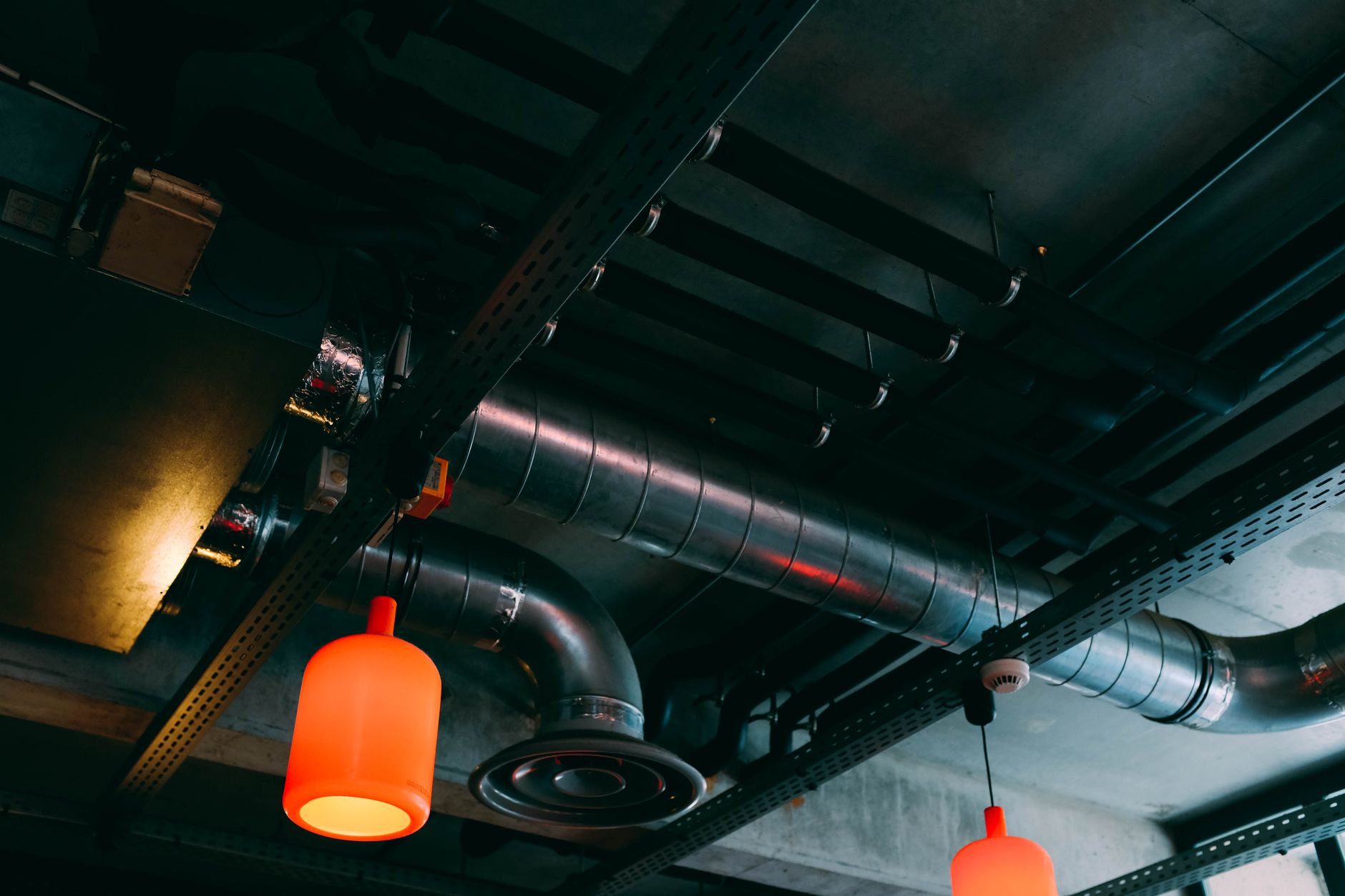
Why Clothes Take Two Cycles to Dry: Fixing Blocked Vents. Visual context for "local bathroom vent cleaning service" in Pennsylvania.
Fast Facts on Laundry Airflow
The Quick Read:
Single cycle performance: Clean exhaust tubing allows wet laundry to dry thoroughly in under 45 minutes.
Fire risk mitigation: Removing dense fibers protects against high thermal buildups that trigger residential flare-ups.
Appliance longevity: Less strain on motors and heating coils prevents premature heating element burnouts.
Cleaner indoor breathing: Clear ducts prevent loose particles and musty damp smells from seeping into living rooms.
Think of your dryer vent as a simple exhaust straw. If that straw gets packed with felted lint, hot steam cannot escape. It rolls back into the drum and soaks your clothes again. People often book a local bathroom vent cleaning service for steamy showers, but dryer ducts run on the exact same pressure principles.
According to alerts from the U.S. Fire Administration, dirty dryer vents cause most clothes dryer fires in homes. Check behind your machine today. If you see a gray blanket of fuzz across the baseboard, your line is already leaking hot exhaust into the room.
Common Airflow Misconceptions Unpacked
Emptying the lint screen after every cycle does not keep the whole vent clean. That screen catches about 70% of lint particles, while the rest blows into the wall pipe. Over twelve months, those loose fibers stick to inner metal ridges, shrinking a four-inch pipe down to two inches.
Another myth is that dryers naturally slow down as they age. In reality, heating elements rarely lose half their heat; they either heat up or die completely. When your dryer takes too long to dry work shirts or heavy bedding, poor exhaust flow is almost always the culprit. Check our full lineup of Services to see how we clear these lines.
Some folks also install white plastic accordion tubing behind their machines. Do not do this. Cheap vinyl tubing crushes easily under slight pressure and melts during heat spikes. Solid aluminum pipe handles hot air much better and keeps your home safe.
"Research shows that a clogged exhaust line can make an appliance work three times harder, raising exhaust temperatures past 200 degrees Fahrenheit and dramatically shortening the machine's lifespan."
Understanding Maintenance Pricing Factors
The total cost to clean dryer vent piping depends on the path your exhaust pipe takes. A short run venting straight through a basement rim joist needs minimal setup. In contrast, long lines running up to a third-story roof require safety harnesses, tall ladders, and rotating scrub brushes to clear weather debris.
Picking an affordable dryer vent cleaning crew saves you cash by stopping heating coils from burning out early. Running a choked dryer can cost an extra $18 to $25 extra per month on electric or gas bills. A simple cleanout ensures thorough dryer vent cleaning prevents fire hazards and improves efficiency during heavy laundry weeks.
Have an unusual floor plan? You can get in touch with the team to ask about line measurements, access points, and pricing. Getting an upfront estimate keeps your repair budget predictable.
Statewide Air Quality Support Across PA
Every home layout in Pennsylvania brings different venting headaches. Historic stone houses in Harrisburg often have narrow crawlspaces with three or four sharp elbows. Meanwhile, newer townhomes near Allentown and properties around State College run long vertical pipes straight through finished attics.
Cold Pennsylvania winters push drying appliances to their limits with heavy flannels and wool bedding. When outside air drops below freezing, hot damp exhaust cools down against metal walls, turning loose lint into wet paste. Hiring an experienced local dryer vent cleaner keeps your system running smoothly through freezing months.
Simple Habits for Cleaner Ductwork
You can catch venting trouble before it turns into an emergency. Watch for these practical signs around your laundry area:
Feel the appliance exterior: If the metal cabinet feels burning hot to the touch mid-cycle, hot air is backing up.
Inspect exterior louvers: Walk outside while the machine runs; the vent hood flaps should blow open under strong, warm air.
Sniff your clean loads: A damp, sour odor means moist air lingered inside the drum instead of blowing outdoors.
Track cycle times: Towels should dry completely in roughly 40 to 50 minutes rather than ninety.
Watch lint basket bypass: If lint builds up around the door rubber, backpressure is blowing fibers past the screen.
Need more practical home advice? Read through our Bravo Dust Cleaning educational blog. Catching minor airflow clogs early prevents sudden part failures.
Practical Upgrades You Will Notice Right Away
Cleaning out packed lint yields immediate benefits you will notice on laundry day:
Single load turnarounds: Experience true one cycle drying vent cleaning that eliminates constant re-starts.
Drastic safety boosts: Quality dryer vent cleaning for fire safety eliminates the flammable tinder sitting right behind your heating burner.
Lower utility bills: Running your machine half as often yields measurable electrical savings every month.
Extended fabric life: Shorter cycles protect your clothes from unnecessary tumbling friction and fabric thinning.
Zero gas backdrafts: Gas exhaust pipes route toxic fumes straight outdoors rather than letting them leak into bedrooms.
Less airborne dust: Eliminates fine lint circulating through laundry air, helping family members who suffer from seasonal allergies.
Longer appliance life: Your thermal fuse, drive belt, and blower motor endure 50% less mechanical wear.
Want to understand your home ventilation better? Feel free to learn more about related ventilation content from our service crew. Clear pipes protect your air quality year-round.
Based on residential airflow service data across Pennsylvania homes, 2024.
Professional Cleanout vs Standard DIY Brushes
Hardware stores sell drill brush kits for twenty bucks. But those flexible plastic rods snap easily inside metal elbows, wedging brush heads deep inside walls. We use commercial rotary systems hooked to HEPA negative-air collectors that trap lint without spitting dust into your house.
Service Feature | Professional Service Crew | Store-Bought DIY Brushes |
Airflow Measurement | Digital anemometer testing before and after | Visual guessing based on output |
Deep Lint Extraction | Full vacuum containment system | Pushes loose clumps deeper into bends |
Duct Integrity Check | Visual inspection of seams and disconnects | Blind cleaning risking punctured flex pipe |
Roof Cap Inspection | Included clearing of exterior damp flaps | Usually skipped due to ladder risks |
Shoving brushes into an exhaust pipe often compacts fibers against exterior louvers, sealing the pipe completely. That is why smart homeowners choose to hire dryer vent specialist pros who test actual airspeed before packing up their tools.
Essential Ventilation Concepts and Equipment
Transition Duct: The flexible aluminum connector linking the back of your drying machine to the rigid wall collar.
Exterior Damper: The weighted flap or louvered hood on your exterior siding that stops cold outdoor air from blowing back inside.
Rigid Galvanized Pipe: Smooth-walled metal piping required by residential building codes inside concealed walls and ceilings.
Thermal Limiter Fuse: A small internal safety switch that melts and cuts power when internal operating heat exceeds 220 degrees Fahrenheit.
Blower Wheel Assembly: The internal motorized fan housing that pulls hot air across laundry and drives exhaust outside.
Backpressure Anemometer: A specialty airflow gauge technicians use to calculate velocity and static pressure across vent runs.
Knowing these basic parts makes troubleshooting simple. You can read our guide on exhaust clearances in commercial settings to see how backpressure behaves in larger ventilation systems.
Common Dryer Airflow Inquiries
How frequently should I schedule an exhaust cleanout?
Most homes need a cleaning once every year. If you have four or five family members running multiple daily loads, schedule an inspection every seven or eight months.
Why does my laundry room smell musty while the dryer is running?
Musty air means humid exhaust is leaking from a loose pipe clamp or backing up from a clog. When wet lint sits in dark ducts, mildew forms fast.
Can a clogged vent trigger carbon monoxide issues?
Yes. Gas dryers create carbon monoxide during combustion. If lint blocks the exhaust line, dangerous gas drifts straight back into your living space.
What is the difference between my lint filter and the exhaust vent?
The lint filter is the removable screen inside the door frame that catches big fuzz balls. The vent is the hidden metal pipe routing moisture through your exterior siding.
Will unclogging the vent reduce my electricity bill?
Yes, because your machine pulls between 2,000 and 5,000 watts while heating. Cutting two-hour runtimes down to forty minutes drops your power bill fast.
Why are my clothes unusually hot when I pull them out?
When steam cannot escape through the pipe, the heating coil stays on while airflow stalls. Trapped heat bakes the drum, leaving metal buttons scorching hot.
Can I run my dryer without an exhaust hose?
Never vent your dryer indoors. An unvented machine pumps gallons of moist steam, detergent chemicals, and microscopic fibers into your rooms, ruining drywall within months.
When airflow drops, search online for dryer vent cleaning near me or find reputable dryer vent cleaning in my area to get clear ducts before lint accumulates further.
Your Dedicated Indoor Air Experts
Meet the Team: For over twenty years, Bravo Dust Cleaning has delivered reliable air duct, exhaust, and dryer vent solutions across residential communities. Fully insured and backed by a 100% satisfaction guarantee, our technicians focus on lowering your energy bills and securing your family's home safety through thorough, certified workmanship.
Book Your Next Duct Checkup
Stop running jeans through two or three cycles while your electric meter spins. Our technicians offer dependable home dryer vent maintenance service that restores full airflow in one visit. Connect with our office today to request a quote and get your laundry running fast again.
Dryer Vent Safety and Performance Protocol: Detailed Homeowner Reference
Keeping dryer pipes clean is one of the easiest home maintenance tasks to overlook. While most folks pull out the lint screen before loading clothes, that screen catches only 60 to 70 percent of loose fibers. The rest escapes into transition ducts, subfloors, and outdoor hood dampers.
Warning Signs That Signal Dangerous Lint Blockages
Watching for clear warning signs lets you solve airflow issues before thermal fuses blow. When exhaust lines choke, your machine shows obvious symptoms that call for immediate care:
Extended Drying Durations: Loads that used to dry in forty minutes needing two or three rounds show heavy backpressure trapping wet air.
Excessive Ambient Heat in Laundry Areas: When exhaust pipes clog, hot air radiates through sheet metal into wall studs, heating up your laundry closet.
Unusually Hot Garments: Clothes coming out of the tumbler with burning hot metal rivets or snaps point toward severe heat buildup.
Damp, Sluggish Exterior Vent Flaps: Exterior louver flaps should swing wide during operation. Flaps that barely flutter signal weak airflow.
Faint Scorched or Musty Odors: Lint gathering near the heating coil produces a distinct burning scent that warns of fire hazards.
Ignoring these symptoms makes the internal high-limit thermostat cycle on and off constantly. Over time, that heat stress fries wiring relays and leaves appliances vulnerable to fires.
How Professional Cleaning Protects Home Value and Appliance Longevity
Routine cleanouts pay off by stopping early machine breakdowns and reducing energy bills. When a dryer pushes against thick lint walls, the blower motor pulls extra electrical current and overheats. That strain ruins motor bearings and snaps belts long before the machine should wear out.
Running an electric or gas dryer through duplicate cycles also doubles your kilowatt-hour usage. A clogged line turns a quick load into an expensive chore, running up utility bills month after month. Professional rotary brushing clears the line down to bare sheet metal, bringing drying times back to normal.
Clean pipes also protect basements and attics from hidden moisture damage. When blocked pipes leak humid exhaust into wall cavities, condensation rots framing studs and feeds black mold. Keeping that run clear ensures moisture vents outdoors safely.
Seasonal Vent Maintenance Checklist for Homeowners
Good laundry habits between service calls keep your equipment running smoothly throughout the year. Here is a simple maintenance routine to keep in mind:
Clean the Lint Screen After Every Cycle: Never let thick mats of fuzz sit on the mesh screen, which restricts air right at the drum.
Inspect the Flexible Transition Hose: Check behind the unit. Swap flimsy vinyl or foil tubes for semi-rigid aluminum ducting that resists kinks.
Maintain Adequate Rear Clearance: Keep your dryer pulled a few inches away from the wall so you do not crush the pipe collar.
Clear the Exterior Termination Hood: Walk outside once a month to verify that outer flaps move freely without leaves, ice, or bird nests blocking them.
Wash the Lint Trap Mesh Periodically: Dryer sheets leave a waxy film over fine mesh. Scrub the screen every four months with soap and warm water.
Pairing these everyday habits with an annual professional cleaning keeps your laundry running fast, cuts electric bills, and keeps your family safe.

Comments